
2026-10-09 ·
Does Homeowners Insurance Cover a Slab Leak in California?
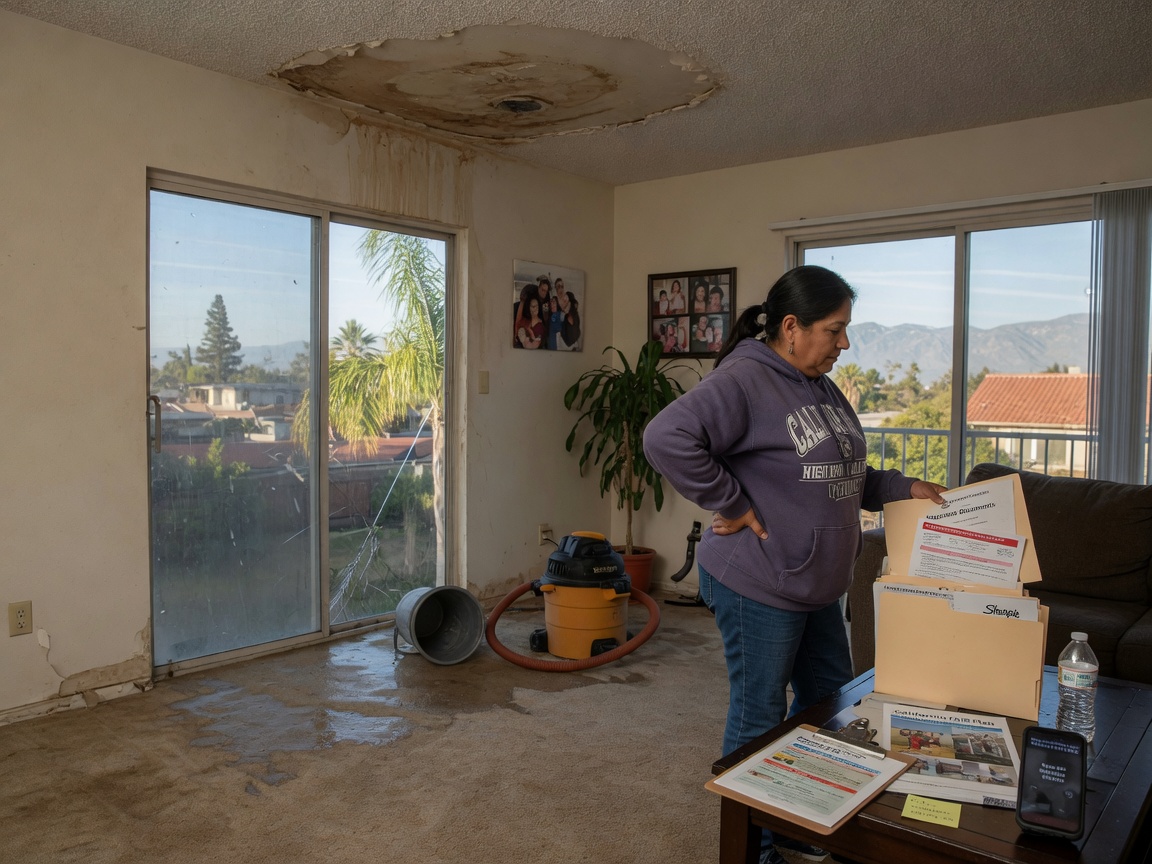
Quick answer: Many California homeowners policies pay for sudden water damage from a slab leak and sometimes the cost to tear out and replace the floor to reach the pipe. The pipe repair itself and damage from long-term seepage are often excluded. Your policy wording decides it.
Updated October 2026. This is general information, not legal or insurance advice. Read your own policy and talk to your insurer.
Why slab leaks are tricky for insurance
Most Moreno Valley homes are slab-on-grade, with water lines in or under the concrete. A slab leak can run for weeks before anyone notices. The California Department of Insurance says standard policies generally cover sudden and accidental water damage and generally exclude damage from continuous seepage or leaks over time. A slab leak can look like either, depending on when and how it was found.
What's usually covered
- Resulting water damage from a sudden leak: wet flooring, drywall, baseboards and cabinets.
- Access costs on many policies: breaking and repairing the slab or floor to reach the pipe. This is sometimes called tear-out.
- Additional living expenses if the home is unlivable during repairs, on policies that include it.
What's often not covered
- The pipe itself. Many policies don't pay to repair or replace the failed pipe.
- Long-term seepage. Damage from a leak that ran for weeks or months may be excluded.
- Wear and deterioration, including corrosion.
- Mold, beyond a capped amount, unless it came from a covered sudden loss.
- Foundation movement from soil, which policies often exclude separately.
What to do to protect your claim
- Stop the water. Shut the main valve once you suspect a leak.
- Do the meter test and photograph the leak indicator.
- Get a leak-detection plumber to locate it and put the location and repair method in writing.
- Report the claim promptly. Delay can be used against you.
- Document everything: photos, readings, receipts, the water bills that show when usage jumped.
- Start drying. Your policy expects reasonable steps to prevent more damage. See slab leak water damage.
California claim rules worth knowing
Under California's Fair Claims Settlement Practices Regulations, insurers generally must acknowledge a claim within 15 days, accept or deny within 40 days after receiving proof of claim, and explain any denial in writing. If you disagree, you can ask for a written explanation and contact the California Department of Insurance.
Questions to ask your adjuster
- Is the resulting damage covered even if the pipe isn't?
- Does my policy cover tear-out and access?
- How do you decide whether this was sudden or long-term?
- Is there a mold limit?
- Are reroutes covered differently from spot repairs?
The Moreno Valley angle
Hard water here, often 250 to 300 ppm, and expansive clay in parts of the valley both put wear on slab lines over the years. That's why slab leaks are a common claim in older tracts. Insurers may point to wear and tear, so a plumber's note on what failed and how fast matters. For the hidden signs to watch for, read signs of hidden water damage in a slab home.
FAQs
Q: Does homeowners insurance cover a slab leak in California? A: Often the resulting water damage and tear-out are covered, while the pipe and long-term seepage are not. Check your policy.
Q: Is a reroute covered? A: It depends on the policy. Some pay toward access and repair costs; many don't cover the plumbing itself.
Q: How long does an insurer have to respond in California? A: Generally 15 days to acknowledge and 40 days to accept or deny after proof of claim.
Q: Is mold from a slab leak covered? A: Sometimes, if it came from a covered sudden loss, often with a cap.
Related
- Drying the slab: structural drying and dehumidification.
- What it costs: water damage restoration cost in Moreno Valley.
- Need help now? Call (555) 010-0000 or see [water damage restoration in Moreno Valley](/).